
Community Capacity Fund
We believe cost should not be a barrier to receiving the tools and support organizations need to advance community wellbeing.
The Community Capacity Fund expands access to evaluation, strategic planning, responsible data practices, leadership development, and culture design for community-serving organizations that cannot otherwise afford this support.
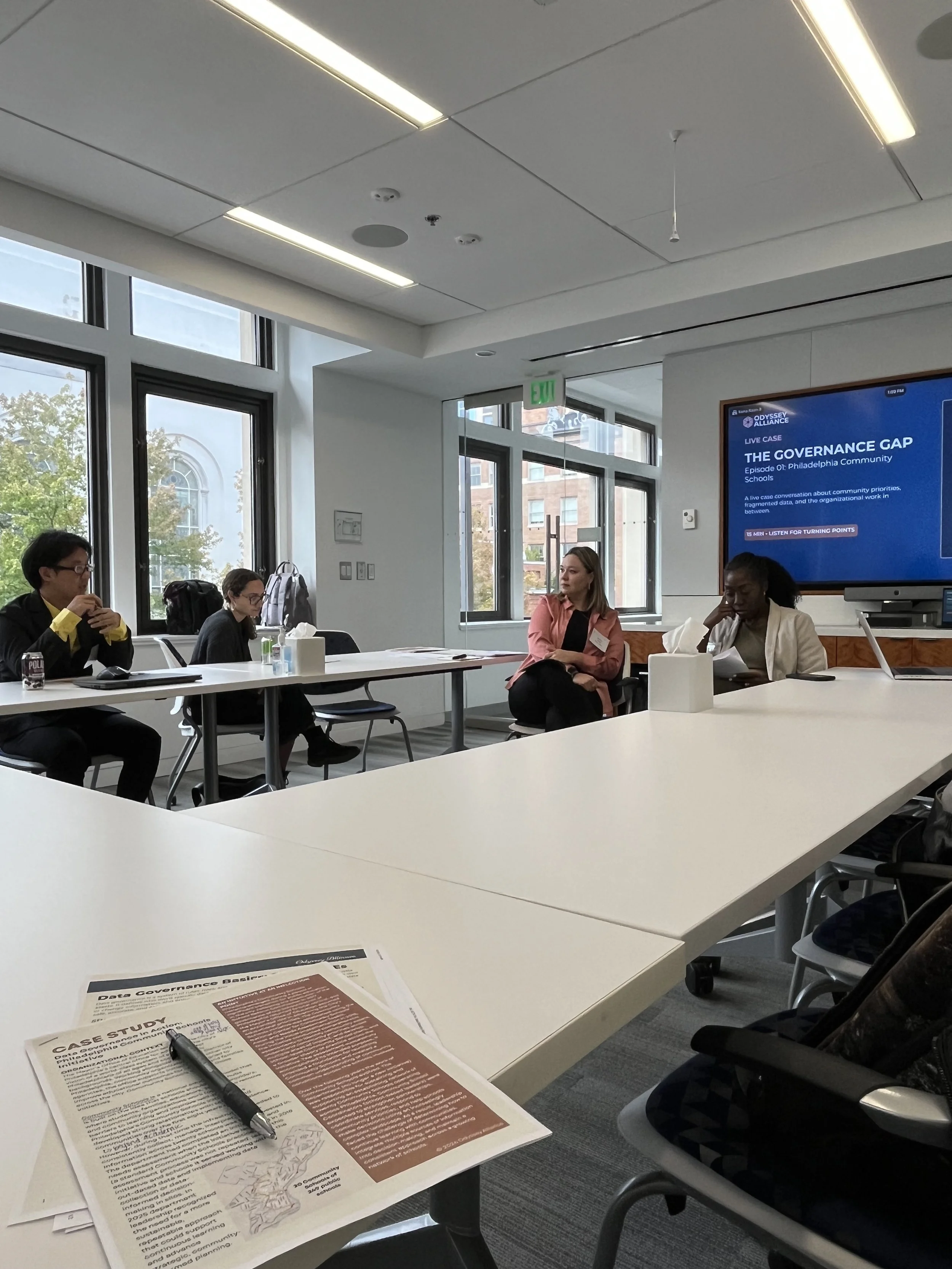
The Forsythe Institute pursues grant funding, philanthropic partnerships, and individual contributions to pay for capacity-building projects. This funding allows participating organizations to receive services at no cost or, when full funding is unavailable, at a reduced cost.
Each project connects an organizational need to a clear community benefit: improving how services are delivered, expanding access, strengthening relationships, or helping organizations make decisions that better support the people they serve.
The amount of support available depends on funding, project scope, and level of impact.
Areas of Support
Strategy
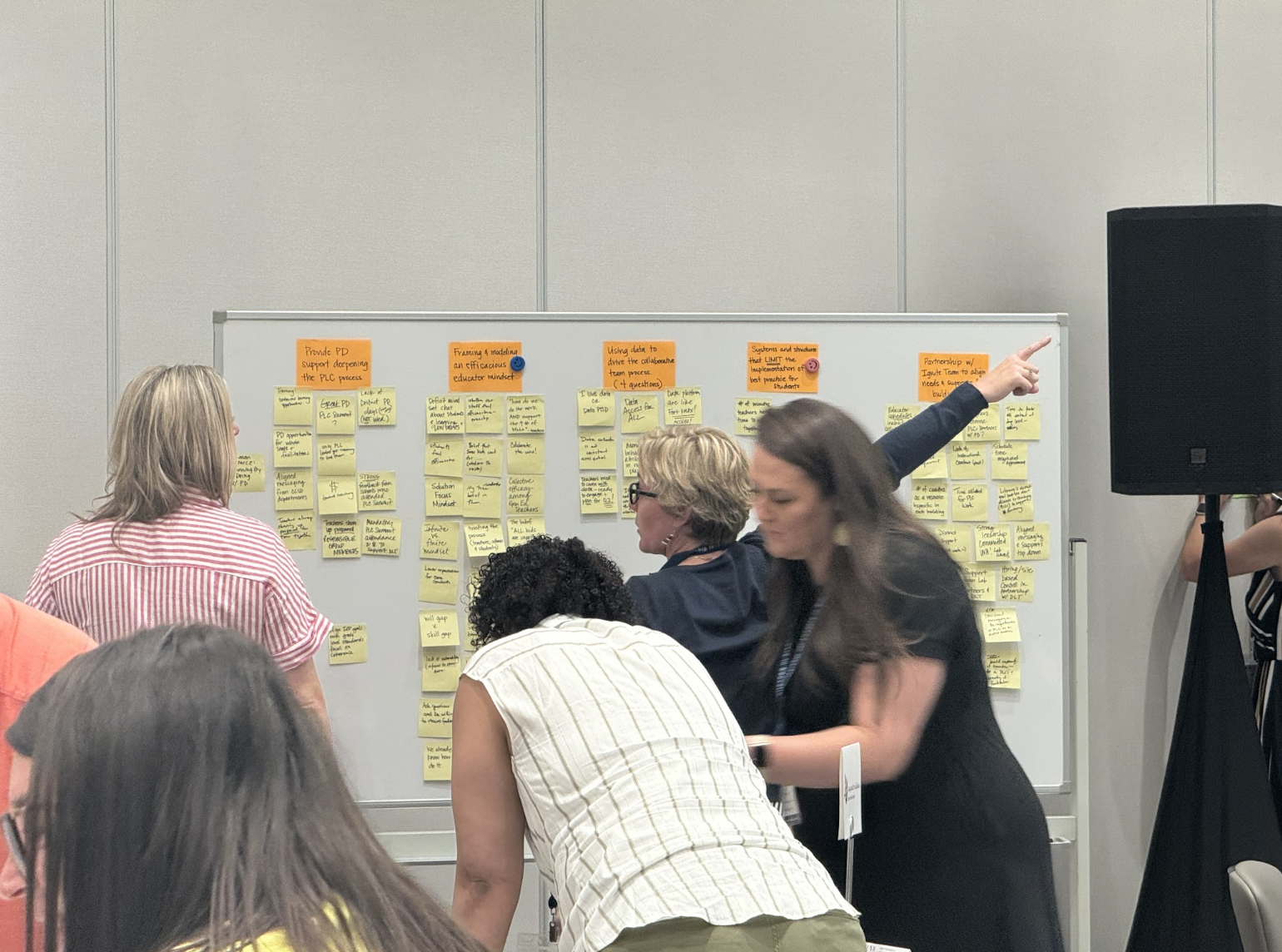
Clarify what your organization wants to accomplish and how to move from priorities to action. Support may include strategic planning, theories of change, logic models, implementation plans, role clarity, and sustainability planning.
Point of impact: Teams can direct their time and resources toward shared goals and connect everyday decisions to the outcomes they want for their communities.
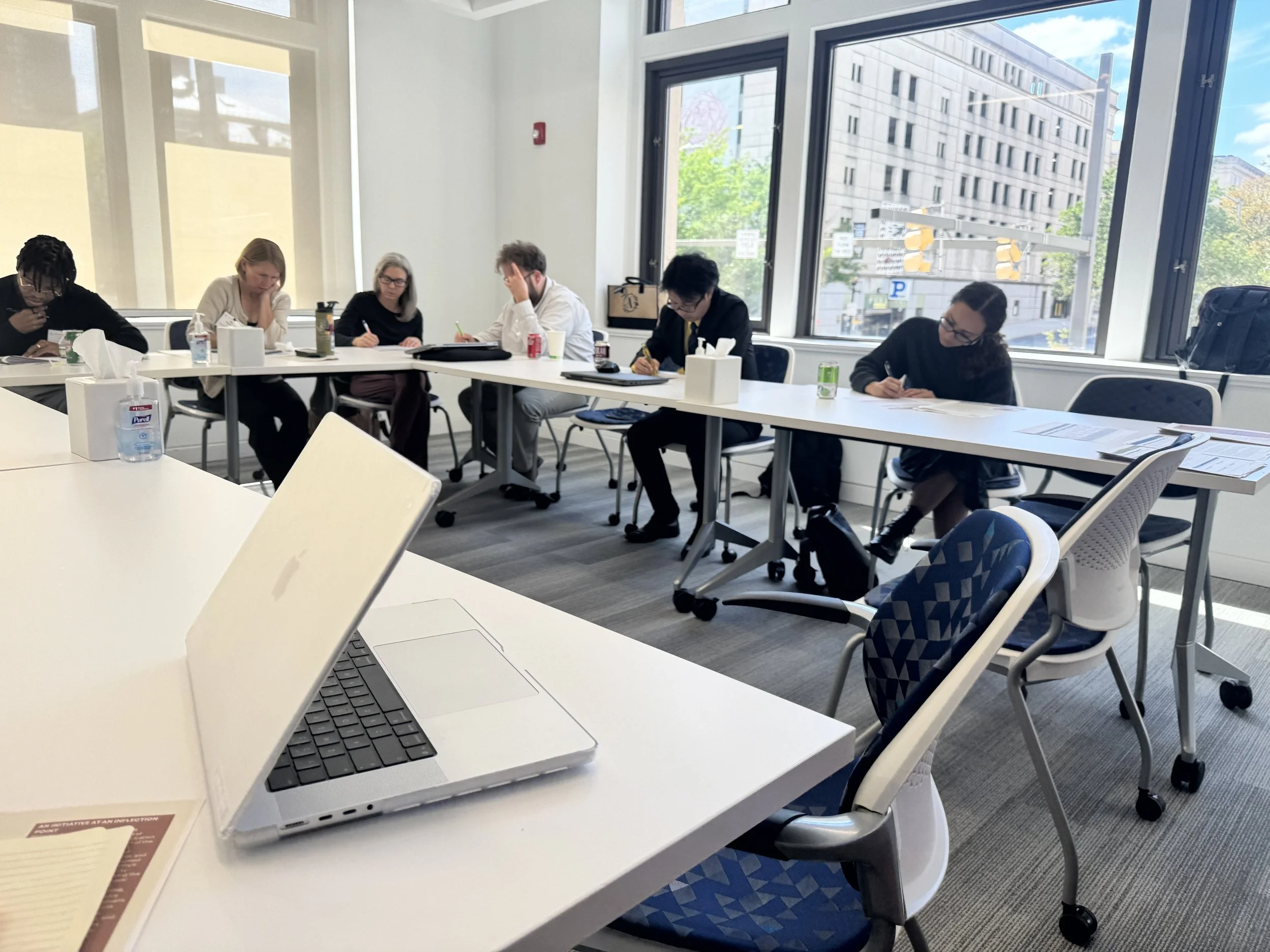
Culture Design
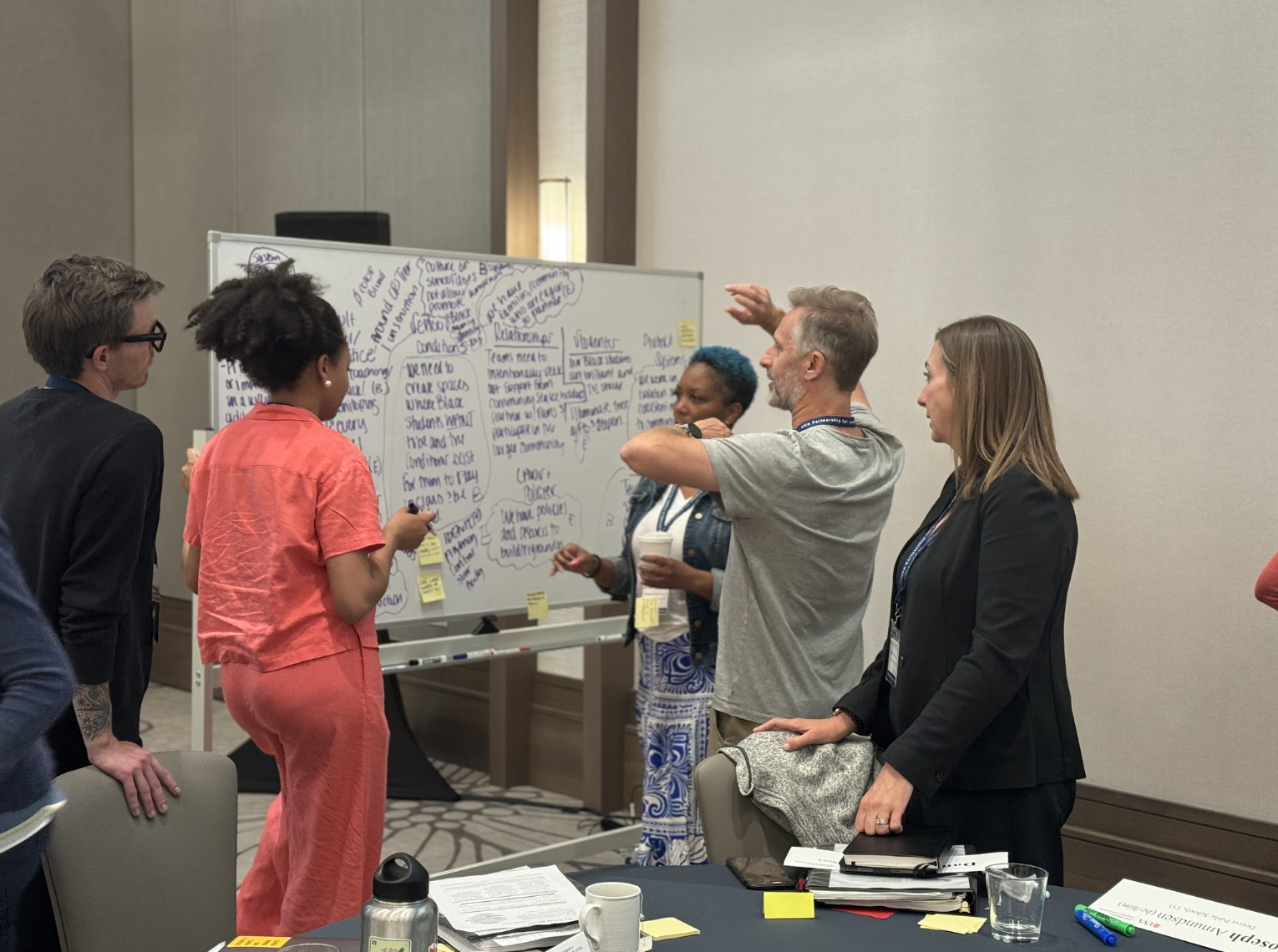
Align organizational values with how people experience work. Support may include culture assessment, staff listening, values development, policy and practice alignment, feedback structures, and change management.
Point of impact: Organizations can build conditions that support trust, care, accountability, and collaboration, helping staff sustain their work and serve communities effectively.
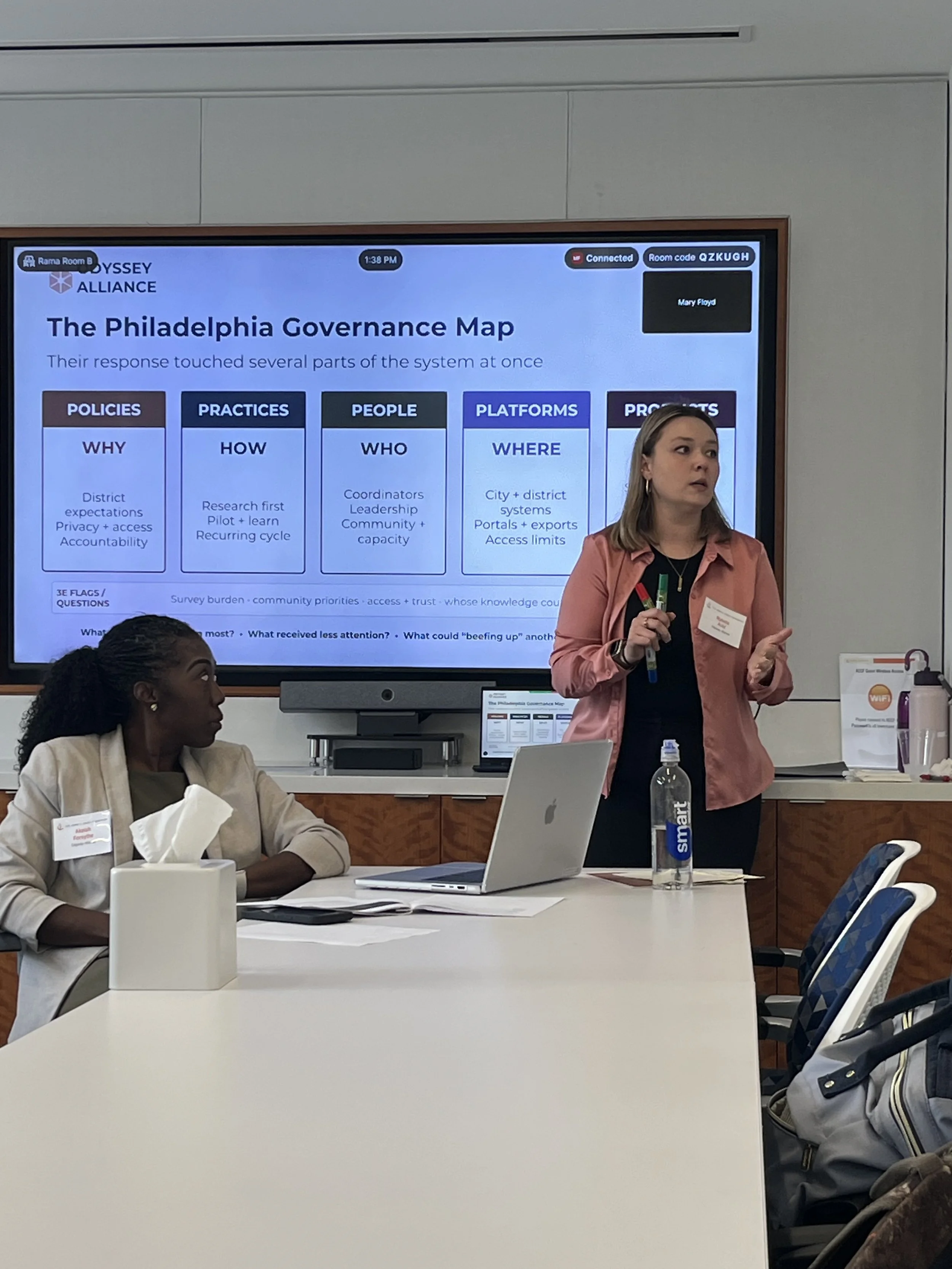
Evaluation
Understand how your programs and services are working, for whom, and what needs to change. Support may include needs assessments, evaluation planning, community listening, qualitative and quantitative analysis, and turning findings into practical improvements.
Point of impact: Organizations can respond to community experience, strengthen services, and make informed decisions about what to continue, adapt, or expand.
WHAT IS THE COMMUNITY CAPACITY FUND
The Community Capacity Fund is helps organizations strengthen the skills, systems, and practices behind their community impact.
Organizations often know what needs attention but lack the resources to address it. They may need a clearer strategy, a way to understand program effectiveness, stronger data practices, support for their leaders, or a culture that helps staff carry their mission forward.
Through the Fund, we work to secure grants and contributions that cover the cost of this support. Our goal is to make capacity-building services available without requiring organizations to divert limited resources from the communities they serve.
Leadership Development
Strengthen leaders’ ability to guide people, make decisions, and sustain progress through complexity and change. Support may include individual or team coaching, manager development, communication, shared decision-making, and succession planning.
Point of impact: Leaders can support staff more consistently, build shared ownership, and maintain continuity in the work communities depend on.
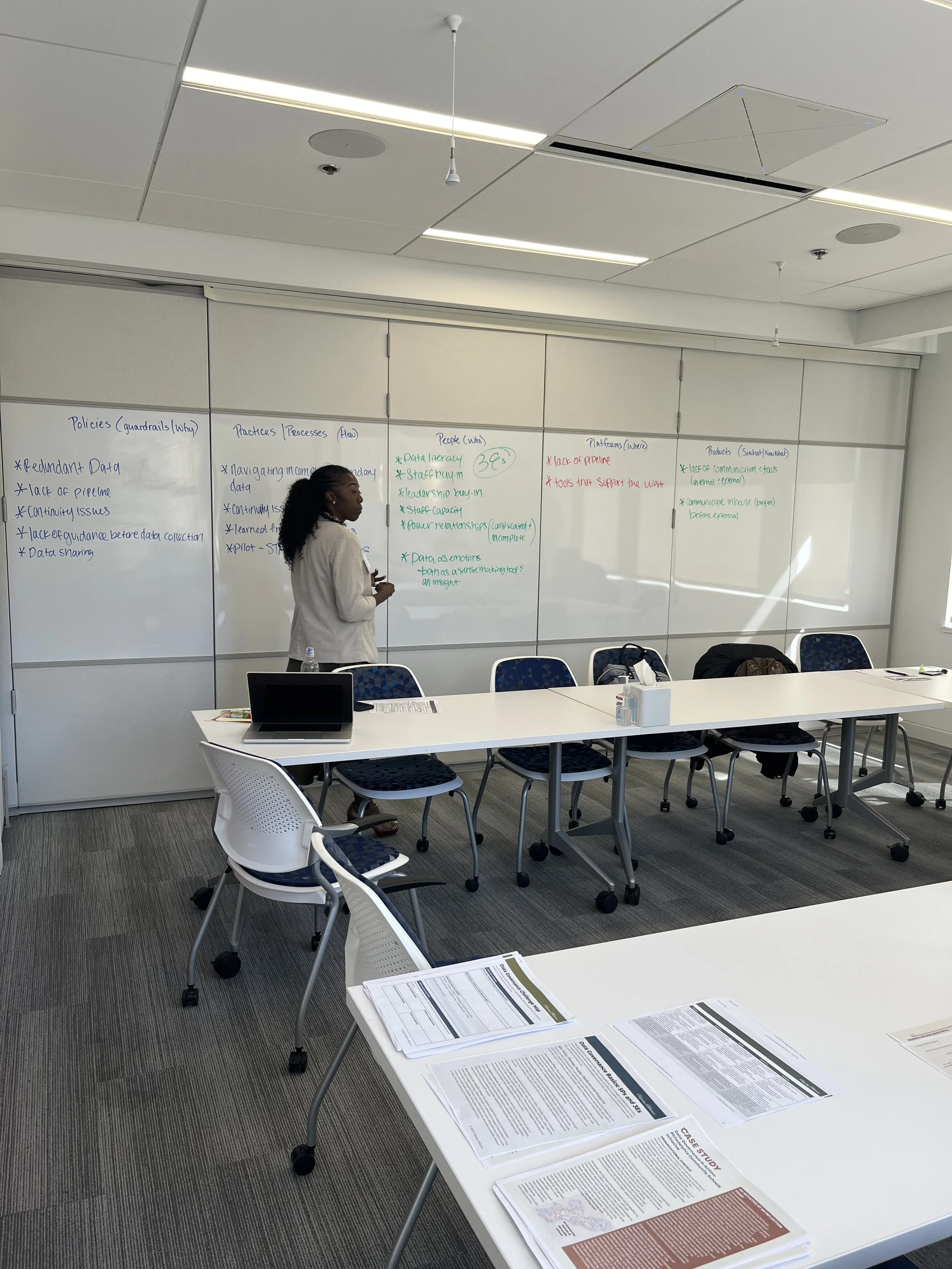
Data Skills and Practices
Build the confidence and practices needed to collect, manage, interpret, and communicate data responsibly. Support may include staff training, data collection tools, governance and role clarity, privacy practices, analysis, visualization, and shared sense-making.
Point of impact: Teams can use information with greater confidence while respecting the people, stories, and context behind it.
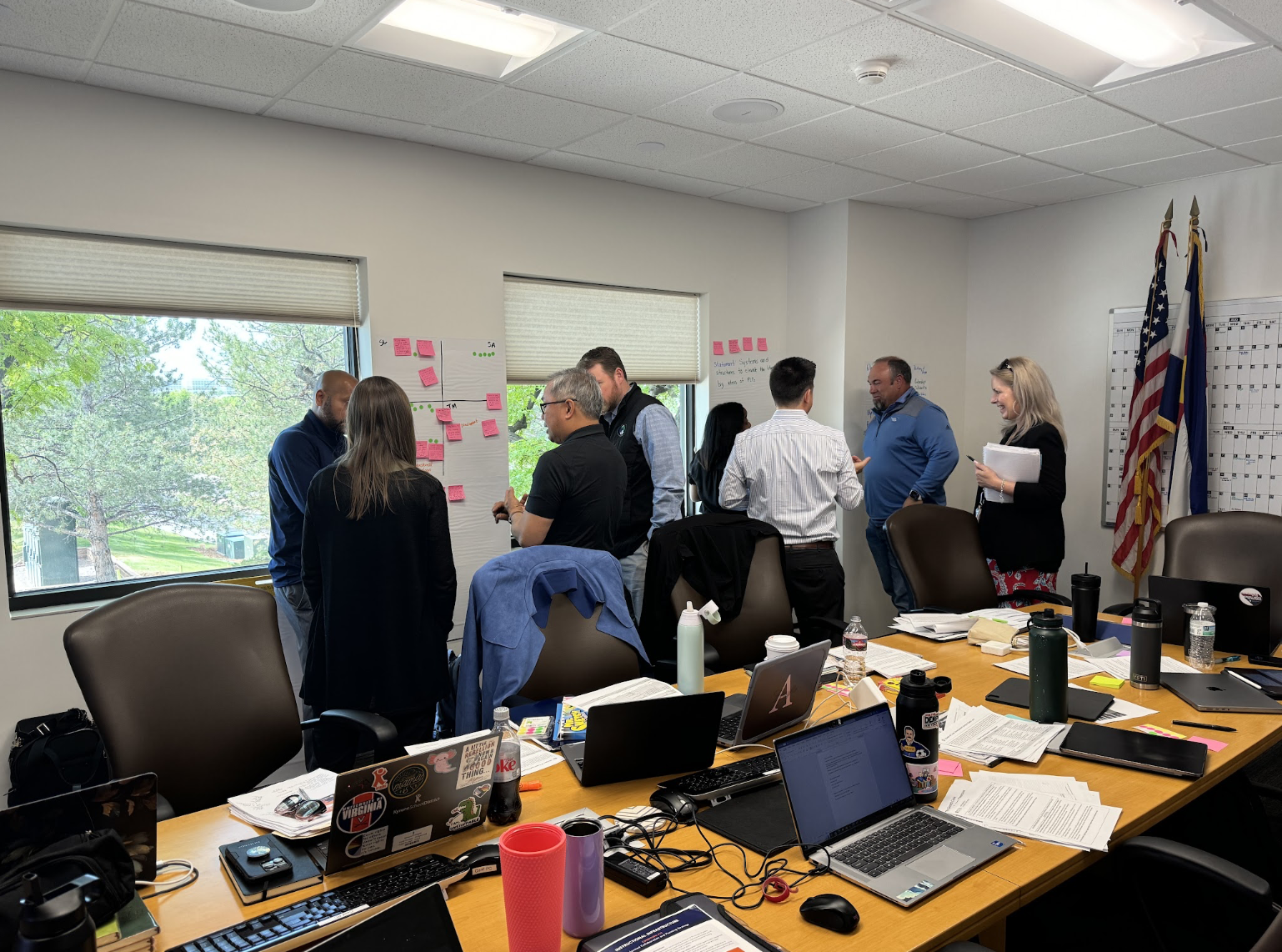
Invest in community capacity
Grants and contributions to the Community Capacity Fund help cover the cost of support that organizations might otherwise go without. By investing in the people and systems behind community-serving work, funders help organizations build capacity they can continue using long after a project ends.
How to Request Support
Submit an Application
Applications open in February and September of each year. In your application tell us about the challenge you want to address, and how this support would benefit the community or population you serve. You do not need to arrive with a completed plan or a consultant’s estimate. We want to understand what is getting in the way of your work and what stronger capacity would make possible. The application asks you to explain:
Who your organization serves and what you aim to improve.
What support you need and why it matters now.
How the work would improve your organization’s ability to serve its community.
How community perspectives will inform the work.
What prevents your organization from paying for this support.
How your team will participate and carry the learning forward.
Eligibility, application timelines, and funding priorities, will be published with each application round.
How Applications are Reviewed
Applications will be reviewed for their connection to community advancement and wellbeing, financial need, and the potential to create lasting improvements in organizational practice.
We will consider whether the proposed work addresses a meaningful barrier, reflects the experiences of the people affected, and can be carried forward with appropriate support. We recognize that organizations apply because they need capacity; applicants do not need to have every system or measure already in place.
Applicants will be invited to a conversation to discuss their needs and develop a practical scope. Selected organizations will receive a written agreement outlining the work, funding coverage, responsibilities, timeline, and how we will learn about progress together.
Submitting an application does not guarantee support. Projects depend on available funding and alignment with each funding round.
Organizational Contributions
As part of the review process, we will explore whether an organization can contribute toward the cost of services, including partially or fully matching FISG’s financial investment. Contributions will be considered in relation to each organization’s resources and capacity, while keeping cost from becoming a barrier to support.